The Importance of Wireframing (Copy)
Introduction to Wireframing
When people think about creating a dashboard, they often focus on the finished product. However, one of the most important steps happens long before development begins: wireframing. A wireframe is a simple visual blueprint that outlines the structure, layout, and functionality of a design without focusing on colors, branding, or detailed graphics. By mapping out where content, navigation, and key features will be placed, wireframes help transform ideas into a clear plan before any time is spent building.
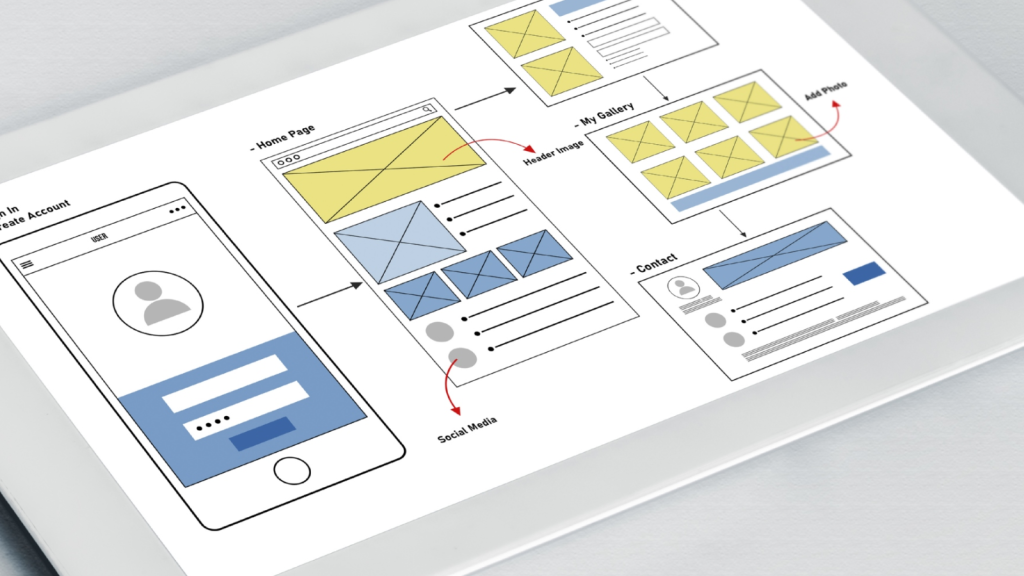
Wireframing provides a foundation for success. It allows teams to visualize the user experience, identify potential improvements early, and ensure the final product is intuitive and purposeful. Investing time in wireframing can save countless hours during development while leading to a more effective and user-friendly design.
Why does Wireframing Matter?
Wireframing is much more than creating a rough sketch, it is a strategic planning process that helps designers and developers make informed decisions before building a final product. By focusing on structure and functionality instead of visual details, teams can evaluate layouts, organize content, and ensure the user experience is intuitive from the very beginning.
One of the biggest advantages of wireframing is that it saves time and resources. Making changes to a simple wireframe is significantly easier than redesigning a completed dashboard after development has already begun. It also encourages collaboration by giving stakeholders, developers, and designers a shared visual reference, making it easier to provide feedback and align on project goals early in the process.
Most importantly, wireframing keeps the user at the center of the design. Rather than asking how a product should look, it encourages teams to think about how users will navigate, interact with, and understand the information being presented.
My Experience
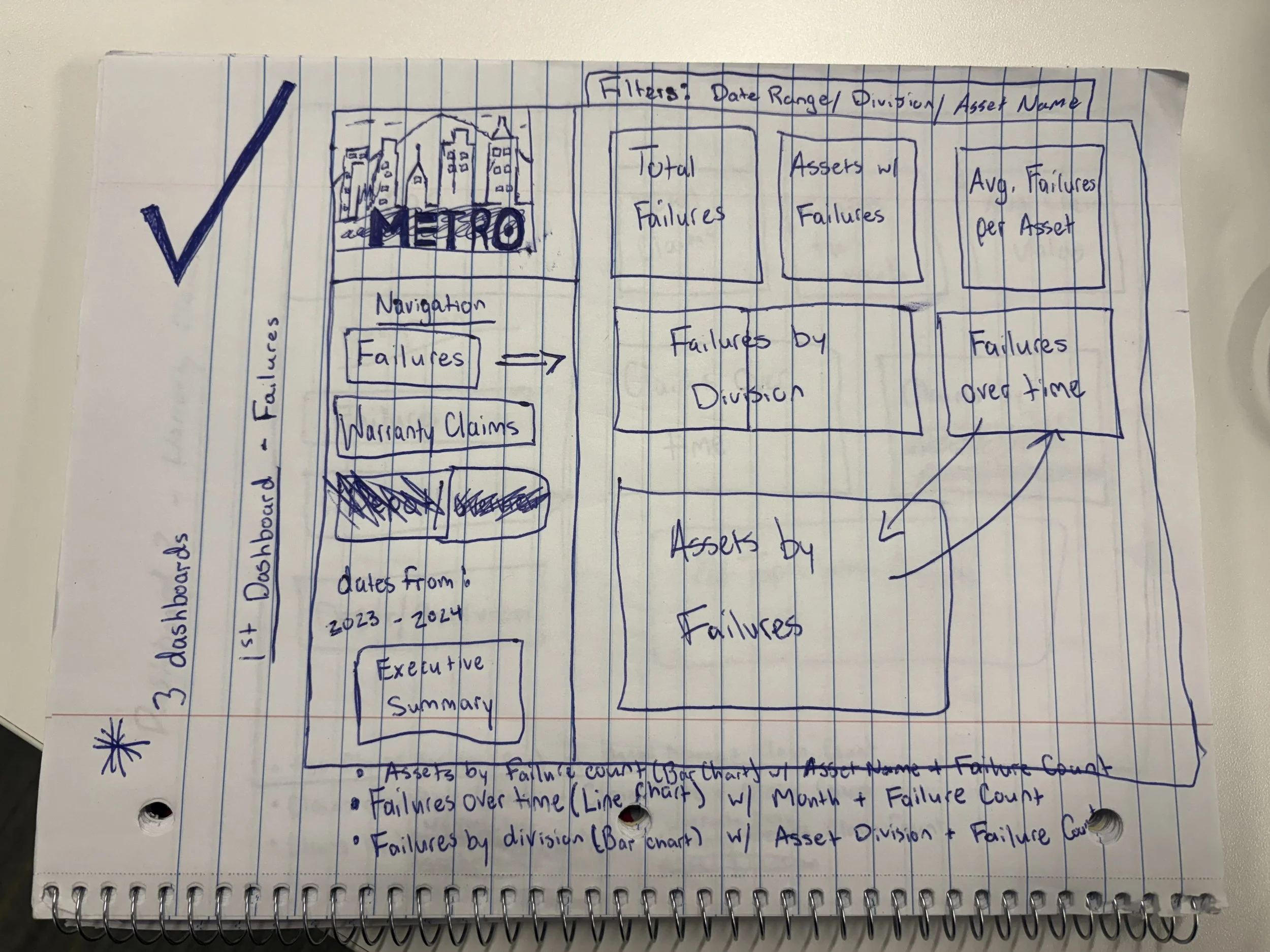
Experiencing the wireframing process firsthand has completely changed the way I approach building dashboards. Before my internship, I would typically jump straight into Tableau and begin creating visualizations. While that approach sometimes worked, I often found myself rearranging charts, moving filters, and redesigning layouts multiple times as new ideas came to mind.
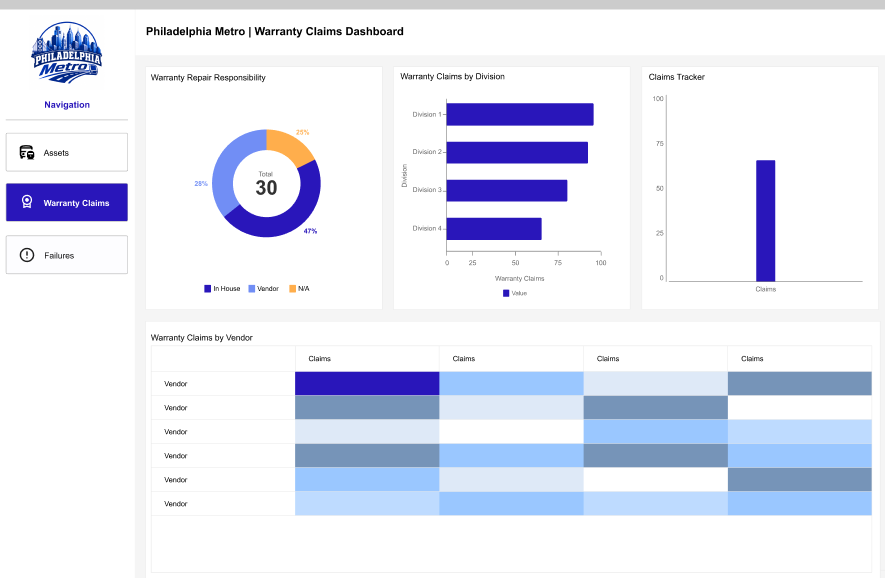
During my internship, I began using Figma to create wireframes before opening Tableau, and it quickly became clear why this step is so valuable. Sketching out the dashboard beforehand gave me a clear roadmap for development. Instead of figuring out the layout as I built, I was able to focus on creating meaningful visualizations because I already knew where each component belonged.
Wireframing also encouraged me to think beyond individual charts and focus on the overall user experience. I found myself asking questions like, What information should users see first? and How should they navigate through the dashboard? Answering these questions before development made the final product more organized, intuitive, and effective.
Looking back, I've realized that spending a little extra time planning at the beginning saves a significant amount of time later in the project. Wireframing has become an essential part of my design process, and it's a practice I'll continue using in future dashboard and analytics projects.
Key Takeaways
Wireframing may seem like a simple step in the design process, but its impact extends far beyond a rough sketch. It provides a clear foundation for development, encourages collaboration, and helps ensure that the final product is both functional and user-friendly. By taking the time to plan before building, teams can avoid unnecessary revisions and create solutions that better meet the needs of their users.
My experience this summer has shown me that successful dashboard design is about much more than creating visually appealing charts, it’s about delivering information in a way that is intuitive, organized, and actionable. Learning to wireframe before developing has been one of the most valuable lessons of my internship, and it has fundamentally changed the way I approach design. As I continue to grow as a data analyst, wireframing will remain an essential part of my workflow, helping me build more thoughtful and effective data-driven solutions.